


Best JVC Car Stereo Receivers Reviews & Deals 2026



You might also like
Why Choose JVC?
Check out our comparison table above to see which model fits your needs best.
The BestPeek Data Team
Automated Analysis • Updated Jun 2026
Frequently Asked Questions
Find answers to common questions about Best JVC Car Stereo Receivers Reviews & Deals 2026
Answer: The choice between single DIN, double DIN, and multimedia receivers depends on your car model and personal preferences. Single DIN receivers are basic units that fit in a standard sized dash opening, while double DIN receivers offer larger touchscreens and additional features. Multimedia receivers come with built-in displays, Bluetooth connectivity, GPS navigation, and other advanced functionalities. Consider your car\'s dashboard size and your preferred features before making a decision.
Answer: Advanced Car Stereo Receivers offer several benefits over basic models, such as:Superior sound quality with built-in amplifiers and equalizers.User-friendly interfaces for easy control of music, navigation, and phone functions.Bluetooth connectivity for hands-free calling and streaming music.GPS navigation for turn-by-turn directions and traffic updates.Advanced features like voice recognition, Siri integration, and smartphone app compatibility.
Answer: To compare prices for Car Stereo Receivers online, follow these steps:Identify the make and model of the receiver you\'re interested in.Search for the product name on various e-commerce websites or use a price comparison engine like Google Shopping or PriceGrabber.Check each website for the current price, shipping costs, taxes (if applicable), and any additional discounts or promotions.Compare the total cost of each option and consider factors like seller reputation, delivery time, and return policies before making a purchase decision.
Answer: Installing a Car Stereo Receiver yourself can be challenging, especially if you\'re not familiar with car electronics. If possible, consider hiring a professional for installation to ensure proper wiring and connection of all components. However, if you prefer to do it yourself, here are general steps:Gather the necessary tools and equipment, including the new receiver, wiring harnesses, and any additional adapters or connectors.Remove the old stereo from the dash, taking care not to damage any components or wires during removal.Connect the new receiver to your vehicle\'s battery and ground terminals.Install the wiring harnesses, ensuring proper connections for all necessary functions like power, speakers, and steering wheel controls.Program any factory settings on the new receiver, such as presets or equalizer settings, to match your preferences.
Answer: A wiring harness for a Car Stereo Receiver is an assembly of wires and connectors designed to make the installation process easier. The harness connects the receiver to your vehicle\'s electrical system, allowing you to tap into specific functions like power, ground, antenna, and steering wheel controls without having to splice individual wires.
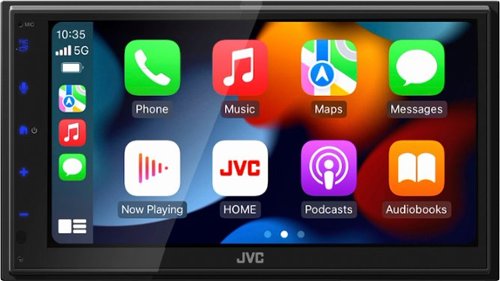
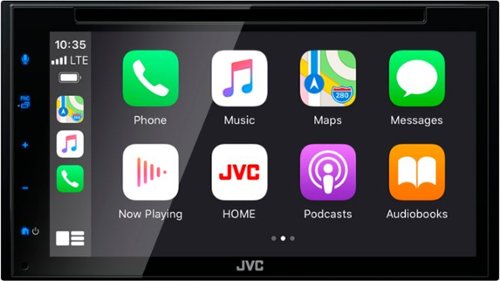
Answer: Yes, some advanced Car Stereo Receivers offer Apple CarPlay and Android Auto compatibility, allowing you to use your smartphone as a display and control center. This integration enables you to access features like voice commands, text messages, music playback, navigation, and more directly from your phone while keeping your hands on the wheel and eyes on the road.
Answer: Both Bluetooth and Wi-Fi connectivity allow devices to transmit data wirelessly, but they serve different purposes in Car Stereo Receivers:Bluetooth: This technology enables wireless audio streaming (A2DP) and hands-free phone calls (HFP). It has a shorter range (around 30 feet) and consumes less power compared to Wi-Fi. Bluetooth is ideal for streaming music or making phone calls from your phone without having to physically connect it to the receiver.Wi-Fi: This technology offers faster data transfer rates and a broader range (up to several hundred feet). It can be used for various applications, such as streaming multimedia content, accessing the internet, or using cloud services. Wi-Fi connectivity is more resource-intensive and may require a stable power source and a strong network signal.