


DJ Mixers
Compare current offers, price history, and reviews in one place.
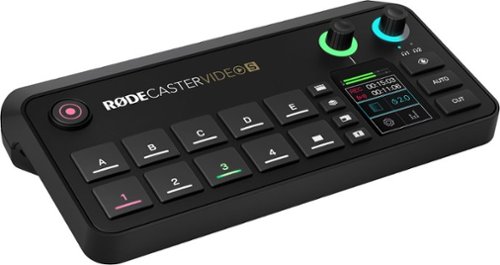
RØDE - RØDECaster Video S - Video and Audio Production Console - Black
You might also like
Frequently Asked Questions
Find answers to common questions about DJ Mixers
Answer: The number of channels (input sources) on a DJ mixer can affect how many devices you can connect simultaneously. For example, a 2-channel mixer can handle two inputs while a 4-channel mixer can handle four.
Answer: Common input types include RCA, XLR, and USB. Each type has its unique advantages such as signal strength or compatibility with digital devices.
Answer: Connectivity options include Bluetooth, WiFi, MIDI, and USB. These features allow you to expand the functionality of your setup and control various aspects of your performance.
Answer: Built-in effects can include filters, isolators, gates, and delays. These features can help you add unique sounds to your mixes and enhance your performances.
Answer: A high-quality build ensures durability, reliability, and reduces the risk of technical issues during live performances or studio sessions.
Answer: Power requirements depend on the specific model. Be sure to check the product details for any power requirements and availability of an external power source.
Answer: Yes, most DJ mixers can be used with both headphones and speakers. Be sure to check if your mixer has dedicated headphone and speaker outputs.
Answer: Analog mixers use traditional knobs, faders, and switches to control sound while digital mixers offer more advanced features like customizable effects and seamless transitions between tracks.
Answer: Always refer to the manufacturer\'s instructions before cleaning your DJ mixer. Generally, you can use a soft-bristled brush or microfiber cloth and a mild detergent solution to gently wipe down the surface.
Answer: Some popular brands include Pioneer DJ, Numark, Denon DJ, and Allen & Heath. Their offerings cater to various skill levels and budgets.