


Secure Digital (SDHC, SDXC)
Sony - SFG128T/T1 128GB SDXC UHS-II TOUGH G Series Memory Card
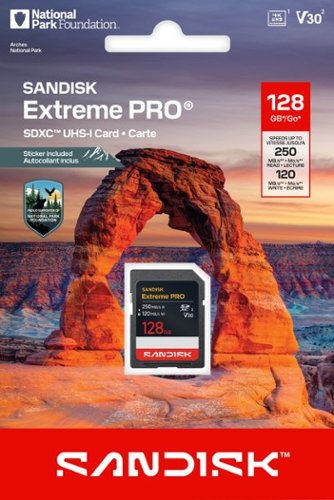
SANDISK - Extreme Pro 128GB SDXC UHS-I National Parks

SANDISK - Extreme PLUS 512GB SDHC/SDXC UHS-I Memory Card

SANDISK - Creator 256GB SD UHS-II Card
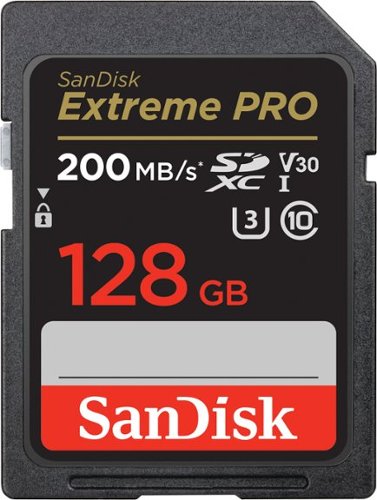
SANDISK - Extreme PRO 128GB SDXC UHS-I Memory Card

SANDISK - Extreme Pro 256GB SDXC UHS-I National Parks
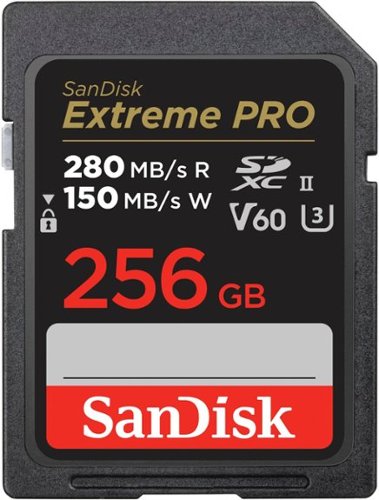
SANDISK - Extreme Pro 256GB SDXC UHS-II V60 Memory Card

SANDISK - Ultra PLUS 128GB SDXC UHS-I Memory Card

SANDISK - Extreme Pro 1TB SDXC UHS-I National Parks
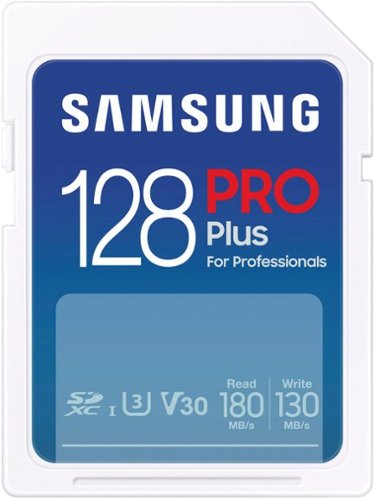
Samsung - Pro Plus 128GB SDXC Memory Card
Samsung - Pro Plus 256GB SDXC Memory Card
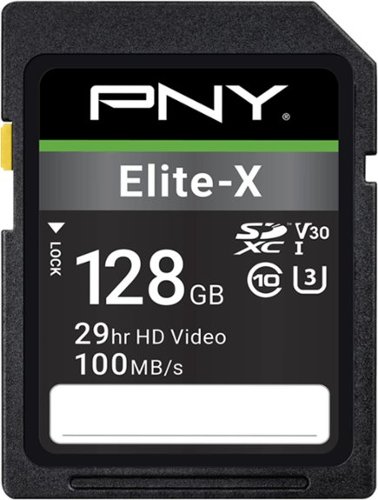
PNY - 128GB Elite-X Class 10 U3 V30 SDXC Flash Memory Card

SANDISK - Extreme Pro 128GB SDXC UHS-II V60 Memory Card
SANDISK - Extreme PRO 128GB SD UHS-II V90 Card

SANDISK - Extreme Pro 512GB SDXC UHS-I National Parks
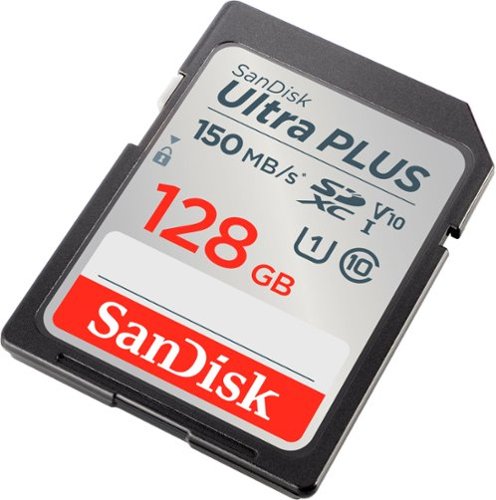
SANDISK - Ultra PLUS 128GB SDXC UHS-I Memory Card
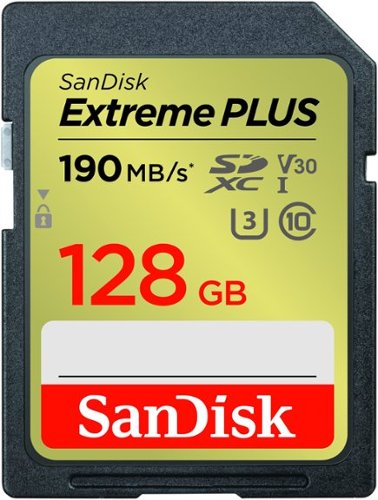
SANDISK - Extreme PLUS 128GB SDXC UHS-I Memory Card
You might also like
Frequently Asked Questions
Find answers to common questions about Secure Digital (SDHC, SDXC)
A: SDHC stands for Secure Digital High Capacity, while SDXC stands for Secure Digital Extended Capacity. The main difference lies in their maximum storage capacity. SDHC supports up to 32GB, whereas SDXC can go up to 2TB.
A: The right memory card depends on your photography needs, such as resolution and video recording requirements. Check your camera\'s manual or the manufacturer\'s website to find the recommended card speed class and capacity.
A: Yes, but the camera will only recognize the available SDHC capacity. It won\'t be able to access the SDXC expansion.
A: Class 2 memory cards have a minimum write speed of 2MB/s, while Class 10 cards offer a minimum write speed of 10MB/s. Class 10 is recommended for high-definition video recording and large image files.
A: Formatting your memory card erases all data on it. Make sure to back up any important files before formatting. Most digital cameras have a built-in formatter, or you can use the formatting tool provided by your computer\'s operating system.
A: No, it can lead to data corruption and loss. Always wait for the recording process to complete before removing the card.
A: Yes, as long as both devices support the same memory card type and capacity. However, using the same card for different devices may result in file system inconsistencies and potential data loss.
A: Handle the card with care to avoid physical damage. Minimize write cycles by deleting unnecessary files regularly, and consider using a memory card reader instead of directly connecting it to your computer.